


Cousins are the underappreciated soan papdi of our lives
A single child’s journey to inventing new Raksha Bandhan traditions
I’m a very happy only child. There’s no performance pressure, no comparisons to siblings and no sharing my spotlight (or inheritance) with anyone. Right from childhood, I never felt the need for a sibling. I was content in my own world, reading books or inventing games for one. I went from being a teacher to an ice-cream vendor to a saree salesman selling “top-class” cotton, chiffon and silk sarees from my aji’s (grandmother’s) wardrobe. I didn’t feel like I was missing out on anything without a brother or sister. Not even on Raksha Bandhan. It was just another holiday, like a Sunday. When my classmates returned to school after the festival, sporting multiple rakhis or boasting about the gifts they had received, I would watch them talk excitedly without ever feeling a pang of envy.
But when my first maternal cousin was born, for a short while, I considered the benefits of having someone younger follow me around. As a four-year-old, I was excited by the prospect of someone calling me tai (elder sister) and playing with me. Even our names rhymed—Shivani and Ishani—a meant-to-be duo. Plus, it was a great arrangement. My masi (maternal aunt) lived in UAE and visited us annually, so for a few days each year, I could be the fun first-born cousin without the responsibility of being a first-born sibling. It seemed like a win-win. Except, we didn’t quite get along. In fact, we just didn’t like each other.
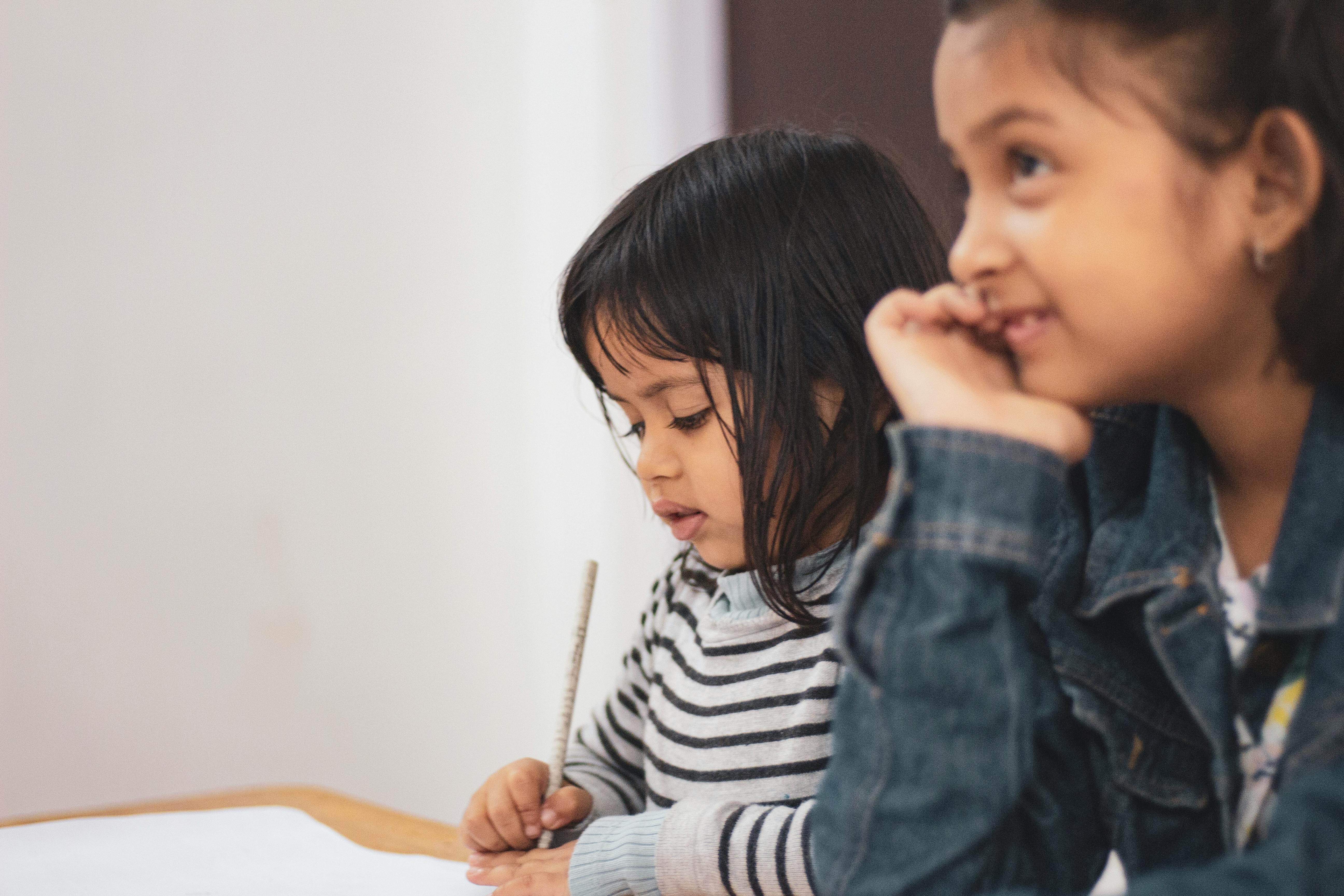
I wanted to be a cool older sister, someone who was respected, idolised and emulated. My strategy was to act aloof and worldly-wise to impress her. Since all my games were self-conceived, I held the creative copyright and dictated the terms when we played together. We would reenact scenes from the reality show Indian Idol, where I pretended to be the contestant, judge and the host. My unfortunate cousin was relegated to play the part of an audience member who had to clap along to my besura performance of Teri Ore from Singh is Kinng.
As you can imagine, conflict was inevitable. My aloof diva behaviour led her to believe I disliked her, making her retaliate with every mean bone in her body. If we had three hours of harmony, the fourth would erupt in a verbal spat that quickly escalated into a punching match — our parents had to physically pull us apart. By this time, our moms were concerned we were never going to like each other enough to develop a close relationship.

During her subsequent visits, we tried our best to be civil towards each other, but there remained a lack of kinship. Luckily, adolescence arrived as our knight in shining armour. When I was 17, and she was 13, my cousin spent her month-long vacation at our house without her parents. We were equal parts excited and nervous, unsure if we could survive without bickering. But that vacation turned out to be the glue we needed to mend old cracks. We exercised together, watched movies, scrambled around the house to escape a sneaky, ginormous chipkali, and in the process, discovered we were more alike than not.
The weird wall between us finally fell apart one night as we desperately tried to fix a leaky bathroom pipe with masking tape. As I poured my heart out about my latest crushes, she confided in me about her troubled friendships. Our amateur Bob The Builder attempt helped us find the missing piece in our sisterly bond: vulnerability. Once we knew each other’s deepest secrets, we swore to take them to our graves.
Each of her visits after that year has strengthened our bond. We had a fixed routine: catch-up on major life events, dissect old family scandals over a hearty meal of bombil fry and solkadhi, shop and then end the day with a movie marathon. She made peace with my incessant roasting and sarcasm, and I learned to navigate her Piscean sensitivity and inquisitiveness. From sharing our anxieties about adulthood to enjoying the independence it brings, we’ve been fully supportive of each other. Now, we make a stronger unit than all the Power Rangers combined.
We continued to stay in touch when she moved to the Netherlands to pursue an undergraduate course. I stood by her through tough times as she navigated homesickness and then therapy. Like a sister, she has been the sounding board for all my adulting crises and gave me advice on breakups, job hunts and how I should tackle horrible bosses and toxic friends.
Two years ago, she was visiting India during Raksha Bandhan and since both of us are single children, we decided to seal our bond with a thread. We bought customised rakhis and rings—silver and studded for her, rose gold with a floral motif for me—as presents for each other. Though I never cared much for the festival as a single child, this little tradition was special to me. The rakhi reaffirmed the unspoken commitment we’ve made to look out for each other through life. We don’t feel the need for a brother to ‘protect’ us. Between the two of us, we can tackle anyone in a literal, physical or metaphorical fight. While I’m still very happy being an only child, knowing that I have an unconditional companion for life is heartening. She’s the family who will outlive my parents and be on my side until my dying breath.