
The kheema pulao and kebabs I once ignored are now my only way back to my family
Broccoli can wait, time won’t
My father hails from a small village in Ratnagiri while my mother grew up in Mumbai. Both were born into Muslim families, where biryanis, kormas, kebabs and nalli niharis were daily staples—and the tradition continued through my childhood, too. I was a picky eater, always making my food dislikes abundantly clear to my parents. Like mutton ka saalan with its rubbery meat and floating oil, or the sweet malida—a traditional recipe handed down by my paternal forbearers, made out of bread crumbs mixed with ghee, sugar, and nuts. So my parents were often scrambling to find creative ways to coax me to eat.
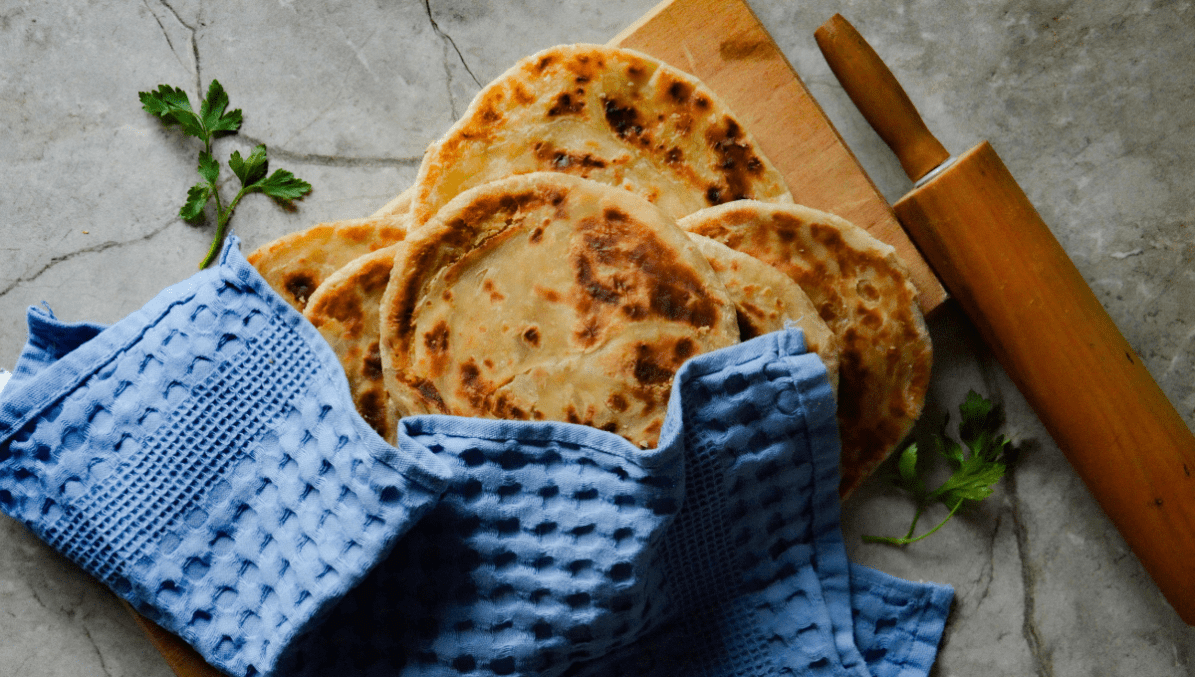
One dish my mother prepared that turned out to be a roaring success was meethi roti, a piping hot paratha with a heap of chewy, caramelised sugar nestled in its belly. I was also fond of malai roti–morsels of roti drenched in honey and cream—which I’d have for breakfast on most mornings. Eyes glued to Mr Bean, I’d chow down these delicacies with great relish as my mother stood over me, eager to get second helpings into me. When I’d visit my father’s hometown in Ratnagiri, I’d wait patiently as the women of the house gossiped on the verandah and made sandan, a steamed sweet rice cake, a delicacy of the Konkan coast. Sugary, spongy, and crisp when pan-fried, I could easily gobble up five of them in one sitting.
Back then, I was perfectly content eating rotis, sugar, and malai in obscene amounts. Perhaps there’s something inherently hedonistic about being a child, where nothing matters more than seeking pleasure. And how quickly we lose that abandon, too. For me, it happened a few years ago, at 19. The pandemic (is lockdown nostalgia a real thing?) had just struck and I was determined to shave off the few extra kilos I’d unknowingly gained in high school. YouTuber Chloe Ting’s workouts had grabbed our collective attention—comments on her videos gushed about how they suddenly had flatter stomachs and perkier butts, so I decided to follow suit. In due course, I was regularly doing mountain-climbers and side lunges, huffing and puffing like a goods train, until I arrived at the larger, more pressing question: what should my diet look like?
Everywhere I turned, people agreed that Indian cuisine—often chock-full of carbs, oil, and salt—wasn’t the healthiest. “It’s not that Indian cooking can’t be healthy. It can be, but the proportions we are used to are not healthy,” read one comment on Reddit. “I love Indian food, but there’s no denying that it’s high carb, low protein, and highly inflammatory,” read another post on X. I’m not immune to the effects of being chronically online, so it wasn’t long before I bought into the discourse and started believing that they were all right. Soon, I decided to swap out the meethi roti and biryani in my diet for broccoli, mushroom, and bell peppers.
I would buy these vegetables myself from a nearby supermarket, chop them into small pieces, and toss them around a greased pan for a few minutes. The end result was underwhelming, to say the least. Spoiled by the complexity and flavourful tadkas of Indian cooking, I found myself wrinkling my nose at every bite of bland, mushy broccoli. Unlike in my childhood, my meals were no longer a whimsy-fuelled joyride. Now, I was determined to be healthier, so my Notes app had a list of nutrients I needed to sneak into my diet: vitamin A, vitamin C, vitamin B-12, Omega-3, iron, potassium, magnesium… the list was endless. But, committed as I was to my fitness journey, I had no choice but to soldier on. Initially, I felt a little smug about my new healthy habits, but as the weeks went by, I couldn’t help but miss the traditional food I’d grown up eating.
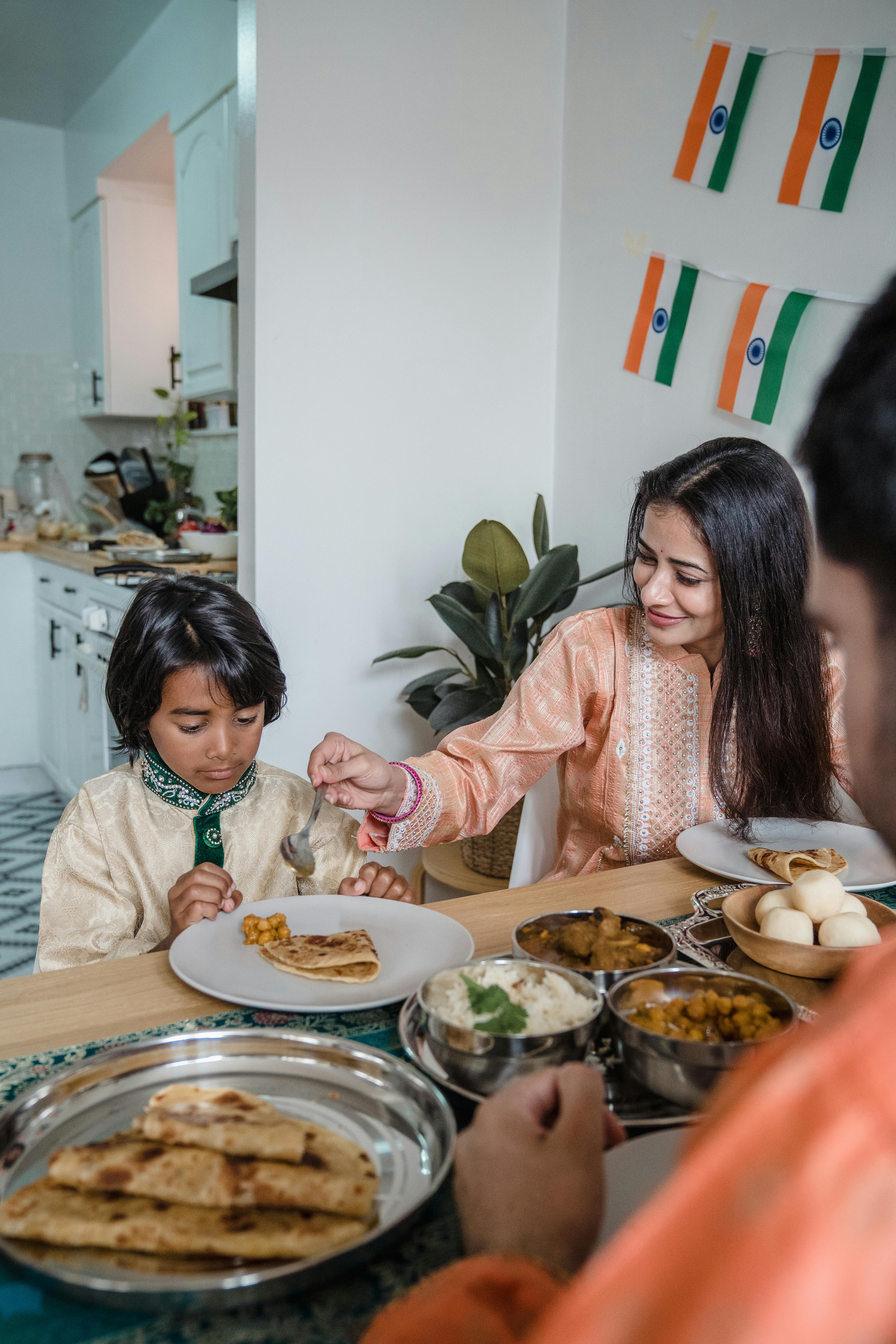
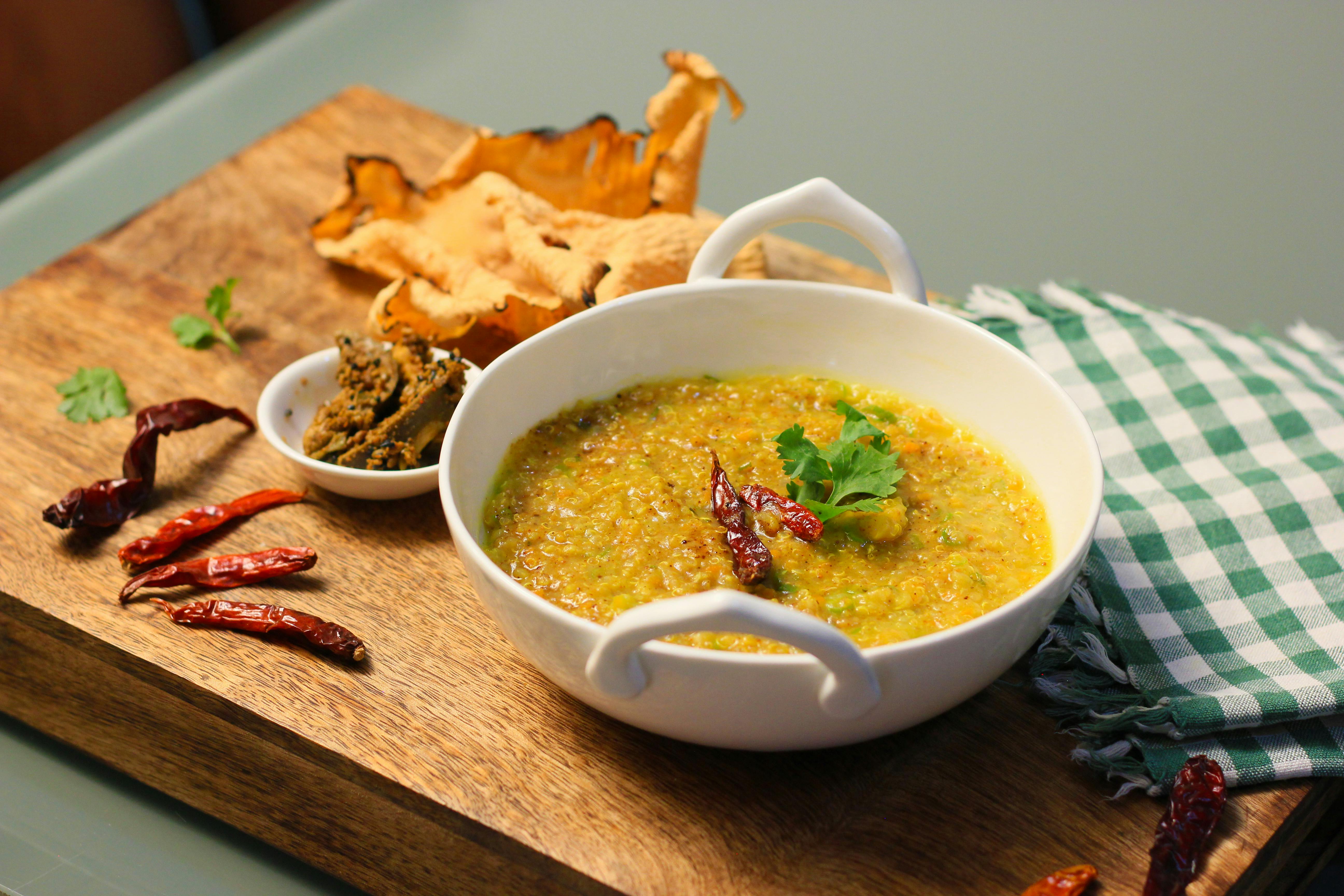
Soon I began to notice another change, apart from my growing craving for the comforting flavours of ghar ka khana, there was the growing distance between my family and I. Caught up in the chaos of our own lives, family meals used to be our chance to ask the important questions, bring up the headlines and the weather, and gossip about that one cousin who quit his third job that year. Now, mealtimes had become a solitary, functional affair for me. While my family hunched over steaming bowls of dal chawal in the living room, I’d stay cooped up in my bedroom, lest I was tempted by the aroma of home-cooked food.
By denouncing traditional food, I’d also made it harder for my parents to care for me. Anyone who’s grown up in an Indian family already knows that Indian parents don’t apologise after an argument or tell you how special you are to them. Instead, a plate of peeled fruit is silently placed at your desk, leftovers are kept aside for you when you’re arriving home late, and a bowl of warm khichdi is brought to your bedside during times of sickness.
Now when my mother would ask me, “Meethi roti banaun? (Shall I make meethi roti?)”, I’d grumble about her trying to sabotage my attempt at being healthier. When my father would try to feed me a pista barfi, I’d peevishly turn my head, “Too much sugar!” But watching their faces crumple in disappointment each time would send a stab of guilt coursing through me. Perhaps because I knew deep down that what they were really asking was, “How can we care for you? Will you let us care for you?”.
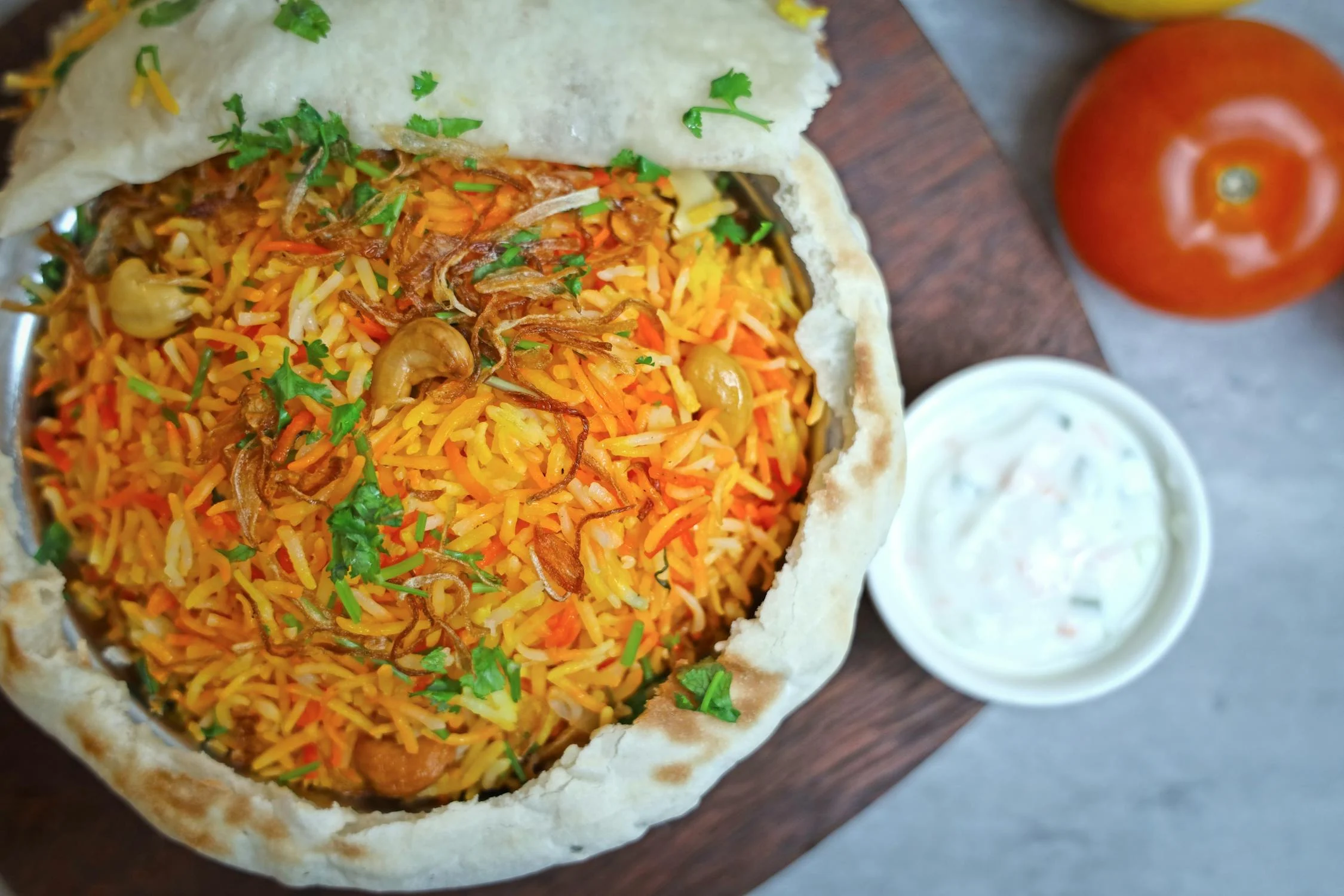
Five years later, I’m still struggling to find a balance. As my parents grow older, and the creases on their foreheads get deeper, the terrifying reality of their mortality has also started to sink in. I’m left grappling with the idea that my father’s kheema pulao and my mother’s distinct style of making bhendi (slathering it with besan to make it crispy golden brown, none of that icky slime anywhere) will, in due course, be a distant memory.
In her memoir Crying in H Mart, Korean-American author Michelle Zauner paints a vivid picture of growing up mixed-race, losing her Korean mother with whom she shared a turbulent relationship, and learning to cook Korean dishes like kimchi jjigae and doenjang jjigae as a way to grieve and feel closer to her. She muses, “I wonder how many people at H Mart miss their families… if they’re eating to feel connected, to celebrate these people through food. Which ones are like me, missing the people who are gone from their lives forever?”
Unlike Zauner, I have a fairly stable bond with my parents, but, like her, I find that food is an integral part of our relationship. And perhaps it’s the significance of the food—what it means to my parents and I—that makes it worth eating, worth preserving.
Someday, when my parents are no longer around to make these dishes, will my memories of them be gone too? If I choose to no longer eat sandan or kebab, will my Kokni Muslim heritage vanish as well? Plagued by these worries, I’ve decided to painstakingly document all their best recipes and enjoy them while I can. I’m still loyal to my bell peppers and chicken breast, but I’m not nearly as averse to eating traditional food a few days a week. Turns out, a little bit of portion control and mindful eating was all I really needed.
It’s a slow journey, but I’m gradually learning to pause, exhale, and nod when my parents ask me if I’ll eat something they’ve made. Because, giving up meethi roti and dal chawal bhendi may have lowered the glycemic load of my food and taken away its ‘illness-causing’ properties, but it also lowered our ability as a family to show care, patience, empathy, and love—all the things food stands for.