


Did I lose my best years to a man who couldn’t commit?
One Mumbaikar on healing and finding herself after a 10-year relationship comes to an end
When I was 28, I met the man I thought I’d spend the rest of my life with. He was funny in that self-deprecating way that feels genuine, kind enough to listen when I rambled about work politics, and steady—a quality that felt like a balm in my chaotic world. We wanted the same things: marriage, kids and building a life together. Or at least, that’s what we said.
In the beginning, we were in sync. We moved in together after two years of dating and built a life that felt comforting. The kind where you have your favourite go-to Chinese restaurant order, know exactly how the other takes their coffee, and find solace in each other’s routines.
But looking back, the cracks started early, barely noticeable at first. He started staying longer at work, which seemed normal enough. But those late nights turned into forgotten date nights, and then into birthdays celebrated with hastily bought flowers – even though I have allergies.
Our arguments became less about big, meaningful things and more about the accumulation of tiny disappointments. Like when I asked if we could start looking at buying a flat, and he said, “What’s the rush?” Or when I brought up saving for a wedding, and he brushed it off with a joke about eloping in Vegas. I remember sitting on the couch one evening, watching him scroll through his phone, and thinking, why am I the only one dreaming about our future?
And then came the big one: the kids. Early in our relationship, we had talked about how we’d want them one day. But “one day” kept getting postponed. First, it was because we needed to focus on our careers. Then it was because we should travel more. Eventually, he admitted that he didn’t think he wanted children at all.
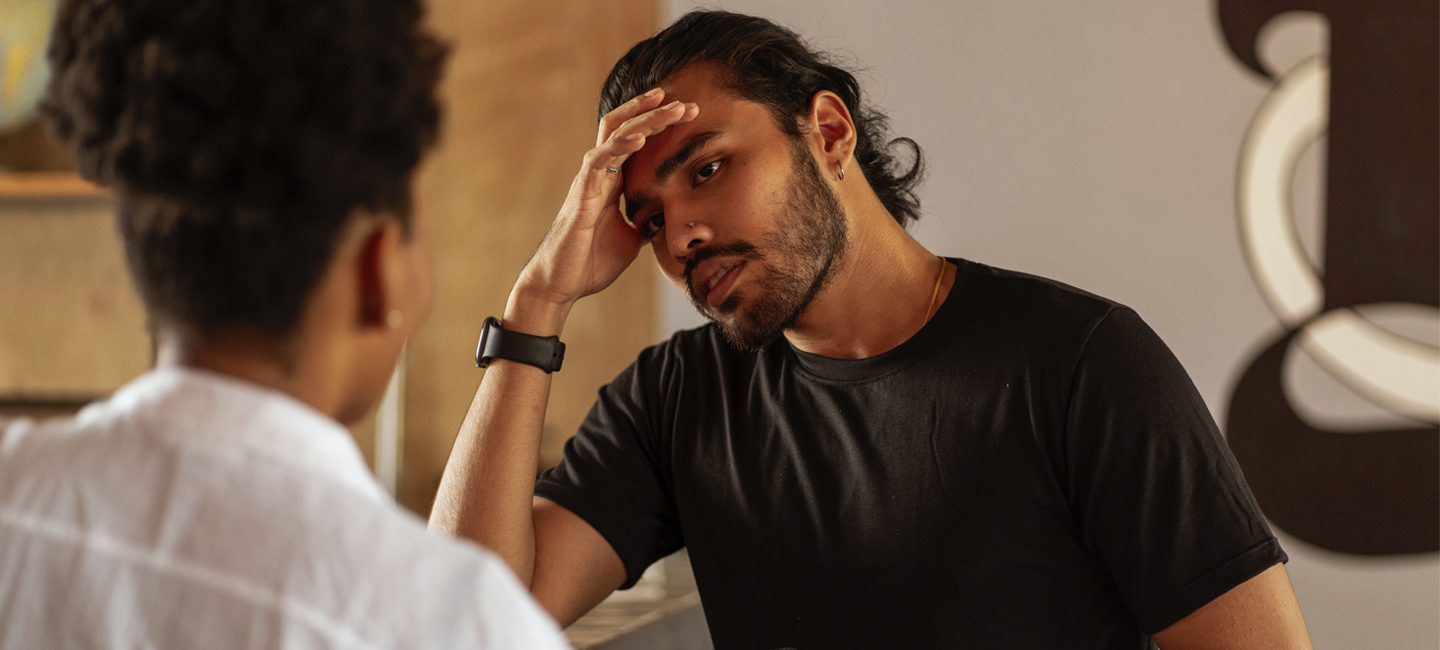
The realisation hit me like a freight train. It wasn’t just about kids. It was the first time I understood that our futures were no longer aligned. And while I had to accept his right to change his mind, I was also allowed to feel gutted.
What made it worse was the guilt—mine and his. He said once, “I hate that I’ve taken up your best years,” and I could see he meant it. But instead of comforting me, those words cut deeper. Because it wasn’t just him saying it. Friends, family, even my own inner voice whispered the same thing: I lost my best years on a man who couldn’t commit.
And at 38, it was hard not to agree. My so-called prime years—when you’re supposedly at your most desirable, when you can afford to be carefree and optimistic—felt like they’d been swallowed by a relationship that ultimately led nowhere.
Starting over after a breakup wasn’t easy, and dating again felt like stepping onto an alien planet. Even when you know it’s the right choice, it’s devastating to dismantle a life you’ve spent almost a decade building. I grieved not just the man I loved but the future we’d imagined together—the kids we’d never have, the house we’d never buy, the anniversaries we’d never celebrate. I felt unmoored, untethered, and painfully alone.
For months, I oscillated between anger and sadness, mourning both the relationship and the version of myself I had been in it. I questioned everything. Had I ignored the signs for too long? Did I settle because it felt safer than starting over after a breakup? Could I ever rebuild, especially now, when time didn’t feel like it was on my side?

The healing didn’t happen overnight. There were days when the grief felt unbearable, when I’d see a baby stroller or a wedding post on Instagram and feel like the universe was mocking me. But slowly, I started to rebuild.
I gave myself permission to grieve, in all its messy, unfiltered glory. I wrote pages of unsent letters to him, to myself, to the future I had lost. Therapy became a lifeline, especially when my therapist pointed out something I’d never considered. She said, “You’re not starting from scratch. You’re starting from experience.”
Reconnecting with myself become so important. For years, I had poured my energy into being part of a couple, so I had to relearn who I was as a single person. I took myself out for dinners (awkward at first but empowering later). I picked up new hobbies like pottery and gardening—things I’d always wanted to try but had shelved because they weren’t ‘us’ things.
What really helped was reframing the narrative. The idea that I’d “lost my best years” started to feel reductive, even cruel. Those years weren’t wasted—they were spent loving, growing and understanding what I wanted and deserved.
And yes, the realities of age and fertility are still there, lurking in the background. I won’t pretend they don’t matter, because they do. But I’ve stopped letting them define me or my worth. Starting over after a breakup isn’t about erasing the past. It’s about taking the lessons from it and moving forward with a clearer sense of what you need to thrive.
Time isn’t a commodity you lose. It’s something you live through. And even the painful parts have value. Your ‘best years’ aren’t behind you—they’re the ones you have yet to claim.
This is an anonymous account, as told to Sara Hussain.