


From baby oil for sticky fridges to bleach for stained cups, Tweak readers share their best home-cleaning hacks
Baking soda zindabad!
The rhythmic sounds of domestic life, from the gentle rumble of the washing machine to the sharp whistles of the pressure cooker, create a unique symphony in the center stage of our homes. Here, amidst these various sounds, memories are made, and so is garma garam aloo baingan (we will defend it until we die). But this gift of a blissfully lived-in home filled with loved ones comes with one side effect: a giant mess. From the chaos of impromptu kitchen experiments and elaborate dinner parties, to the unique hand prints left by toddlers and paw prints left by fuzzy pets, the more the messier is the reality of most Indian households.
It’s a good thing, then, that desis have a penchant for jugaad. Whether it’s the pressure of suddenly hosting your colleagues for after-work drinks, or the need to go DIY after store-bought products didn’t live up to their claims, we’ve all had to improvise and experiment with home-cleaning hacks. Sometimes they’re inherited from friends and family, other times they’re the wisdom of personal experience.
So, in the spirit of generosity, we asked our Tweak tribe to reveal their best home-cleaning hacks, and they didn’t hold back. They let us in on the power of lemons, the alchemical magic of vinegar and baking soda, and the sorcery of steam. So here we are, sharing their easiest and most effective household hacks that will keep your home free from mould, dust bunnies, and that odd musty smell that always seems to linger in the microwave.
Tweak readers share their best home-cleaning hacks
Dry your clothes inside out
Reader Zalak Trivedi suggests turning your clothes inside out when drying them. Why? “The colour won’t fade,” she says. It’s a savvy move for preserving the colour and print of your best-loved garments. By flipping them inside out before hanging them to dry, you shield the outer surface from direct sunlight and environmental stressors. This minimises the risk of colours and patterns fading after every wash, and preserves their vibrancy.

Use citric acid for brightening copper and brass
Exposure to moist carbon dioxide in the air causes copper and brass to form copper carbonate, which makes it lose its shiny brown exterior and develop a greenish layer. But don’t worry, these two handy ingredients recommended by Khyati Jain and Shweta Pathak will make your brass and copper utensils sparkle like new.
While Jain recommends the use of lemon rind, Pathak says tamarind makes a fine alternative as well. “Take some raw tamarind with a pinch of salt, apply it to the vessels and leave it be for some time. Wash it off with water. You can also use tamarind pulp,” she says. You’ll find that the citric acid in the lemon and tamarind neutralises the copper carbonate, dissolving the green layer and restoring the vessel’s original shine.
Make a vinegar spray for mould and mildew
“Mix vinegar and some water in a spray bottle, and apply to areas with fungus, such as wooden surfaces,” says Shwe.
Vinegar’s acidic nature makes it an effective anti-fungal agent. When mixed with water, and sprayed or applied on fungus-prone areas like wood surfaces, it creates an inhospitable environment for fungal growth. This helps prevent and eliminate mould and mildew. Just make sure you dilute the vinegar well, otherwise it might react with or corrode the material you spray it on. And keep it away from soft surfaces like carpets, rugs and window coverings, as well as stone surfaces and wooden flooring, as it can break down the finish.
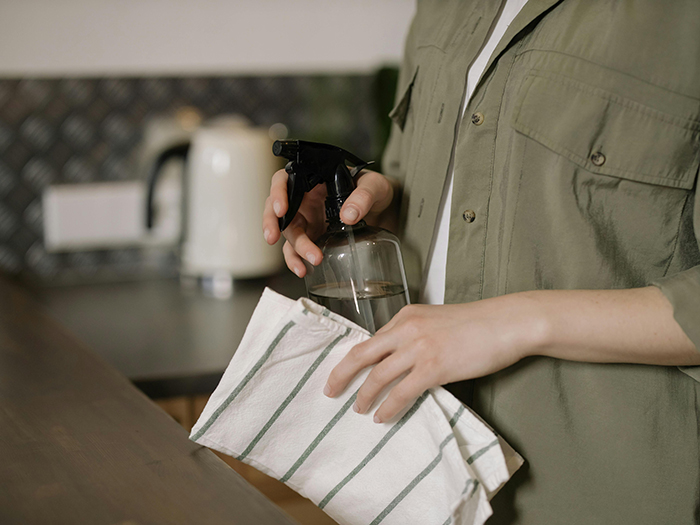
Clean your fans with pillowcases
Put down that old T-shirt-turned-jhaadan, and step away from the ceiling fan. There’s a more effective way for wiping that build-up of dust and grime, without having it fall all over the floor like snow. Aisha Hassan picked up this handy hack from her grandmother, after watching her clean fan blades with a pillowcase. “Slip the blades into a big pillowcase to collect dust rather than risk it falling all over the bed and floor,” she says.
Go natural with floor cleaners
If you’re living in a home with crawling babies, you might want to switch to bio-enzyme floor cleaners. These are non-toxic and environmentally-friendly natural cleaners that effectively break down organic matter. “Make sure it’s a brand that’s safe for babies, and your child is not allergic to the essential oils.” says Shimoni Shah.
If you don’t find a brand you trust, Shah also suggests a vinegar solution you can make at home. “You can mop the floor with a solution of water and vinegar (2:1 ratio), and add around 10 drops of an anti-bacterial essential oil like lemongrass or citronella.”
Give your appliances some baby oil
Oily smudges and fingerprints on a metallic fridge door or kettle just feels, ick. Luckily, Ramona Patriwala’s cleaning hack can help: “[Applying] a little baby oil on a microfiber towel or regular duster and using it as a polish for stainless steel surfaces does wonders.”
This is because the baby oil creates a protective barrier on the stainless steel, preventing fingerprints and smudges while adding a glossy shine.

Plan a soda bath for your taps and drains
Whether you’re fighting hand prints on shower taps or a build up of grease on stove tops, Mona Patricia Pillay says vinegar and baking soda is the winning combination you need. This dynamic duo works wonders on tough stains and grime. Vinegar’s acidity helps break down dirt and grease, while baking soda acts as a mild abrasive that scrubs away stubborn residue without scratching the surface.
Smriti Agrawal even unclogs her drains with a mix of baking soda, vinegar and hot water. She says, “I sprinkle it andaaze se (by approximation), but I’d say pour about half a cup of baking soda (a small chai cup), add one-fourth cup of vinegar, and cover [the drain] with a damp paper towel for 15 minutes. Remove the paper towel and thoroughly wash out the drain with hot water.” Combining baking soda and vinegar helps break down organic matter and loosen debris, while the hot water helps wash it away.
Create a sauna for your microwave
If you can’t figure out whether it’s leftover food or sneaky fungus that’s making your microwave smell, try this hack. “In a microwave-safe bowl, add half a cup of water and half a lemon and run it for about 10 minutes,” says Mahjabeen Hussain. This depends on your temperature settings, but essentially, the water should boil until steam covers the microwave window. “Let it sit for five minutes, and wipe it off with a sponge or paper towel.”
Steam softens hardened food particles, making them easier to wipe away. Lemon (you can use 5-7 drops of lemon oil) adds a fresh scent, and helps cut through grease and grime, leaving your microwave clean and odour-free.
Bleach your teacups
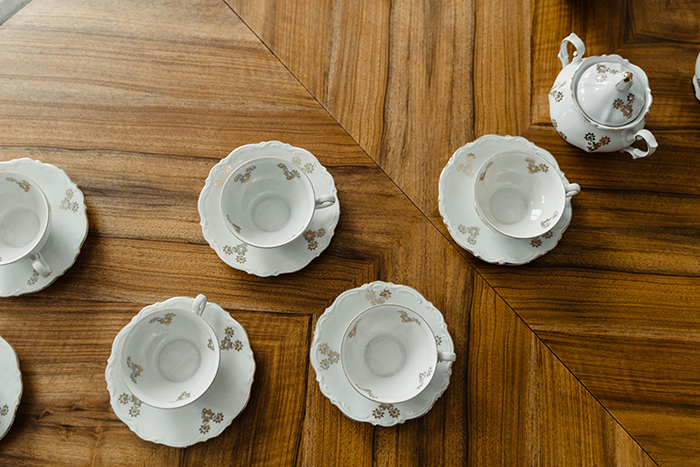
Who doesn’t love a cup of kadak chai? The chai stains, however, not as lovable. But according to Siya Donde, all you need to do to restore the glory of your precious tea set, is plan a bleach bath. “Let [the cups] sit for an hour, and then wash. All chai stains gone!”
Bleach contains sodium hypochlorite, which acts as an oxidising agent. When bleach is applied to those stubborn brown stains, it kicks off a reaction that breaks them down at a molecular level.
Keep your pets (and home) happy
Our four-legged furry hoarders need a clean-up of their toys every few months to maintain hygiene, says Smriti Mody. Don’t forget about the collection of dust, fur and grime on their beds, either. “You can dust the bed outside, soak it in warm water and pet-friendly detergent. Scrub stubborn stains with baking soda and a toothbrush, then rinse thoroughly.”
Make lemon your favourite squeeze
By now, you’ve probably caught on about the cleansing powers of lemon. Shruti Khuteta says when you add a few drops of lemon to your dish-washing liquid soap, you get a stellar cleaner for your kitchen slab and sink.
Together, the acidity of the lemon and the gentle, residue-fighting soap will tackle that grease and grime in a way that’ll leave your surfaces shining and smelling fresh.